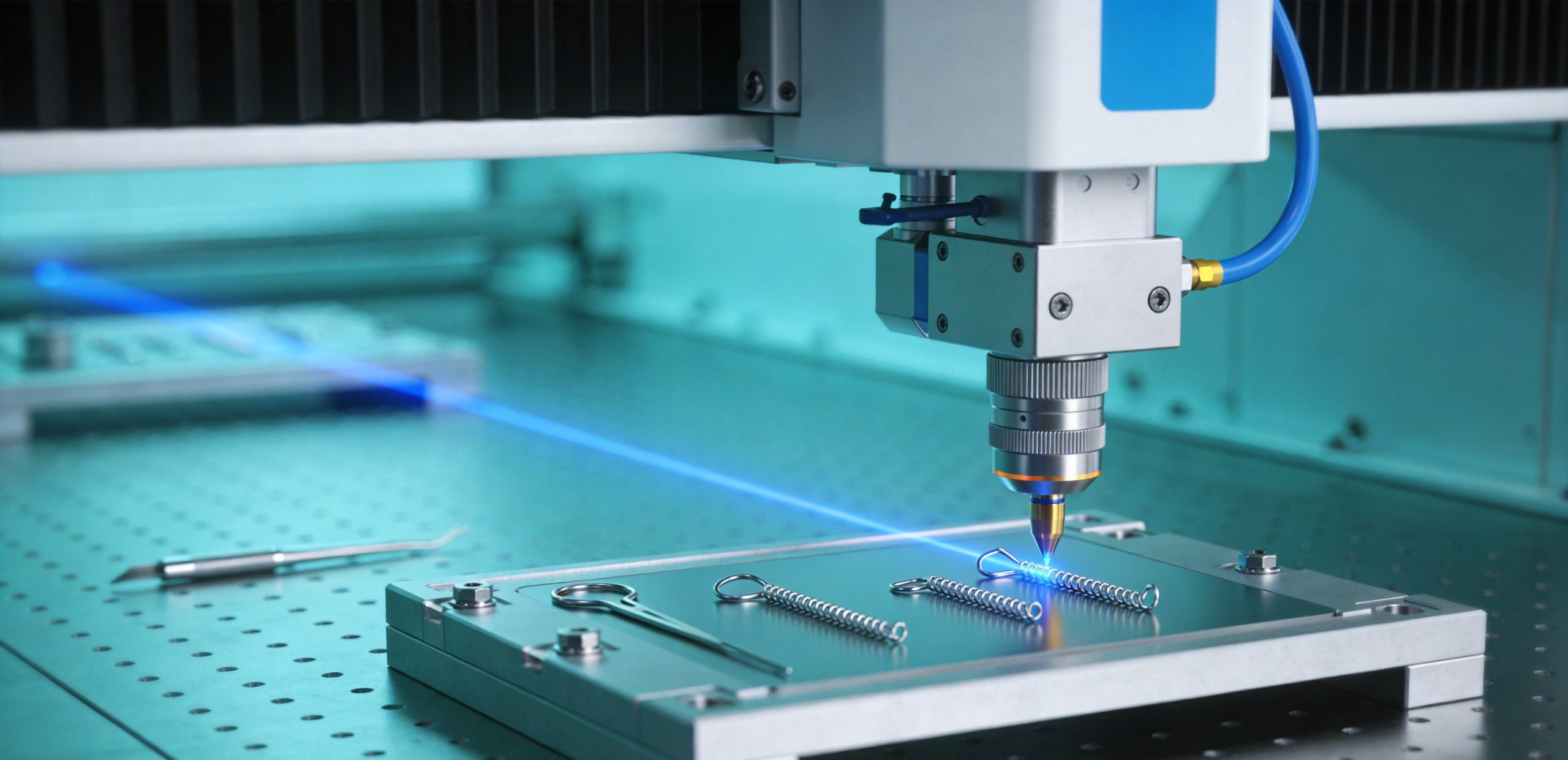
The medical device industry demands precision, cleanliness, and repeatability that traditional manufacturing methods often struggle to deliver consistently. From tiny surgical instruments to complex implantable devices, every component must meet exacting standards for quality, biocompatibility, and regulatory compliance. In this environment, laser technology has emerged as a transformative manufacturing tool, enabling capabilities that were simply not possible with conventional techniques.
This guide explores how lasers are used in medical device manufacturing, the key applications driving adoption, the benefits they deliver, and the trends shaping the future of this rapidly evolving field.
Why Laser Technology Is Critical for Medical Device Manufacturing
Medical devices operate in one of the most regulated and demanding environments in manufacturing. A single defect can have life-altering consequences for patients, and regulatory bodies like the FDA and ISO maintain rigorous standards for production processes and quality control.
Laser technology addresses several core challenges in medical device manufacturing:
Micron-level precision. Many medical components—from stent struts to surgical needle tips—require features measured in microns. Lasers can focus energy to spots smaller than 20 microns, enabling cutting, welding, and marking at scales that mechanical tools cannot match without causing tool wear or part deformation.
Non-contact processing. Unlike mechanical cutting or welding, lasers never touch the workpiece. This eliminates tool wear, reduces contamination risk, and enables processing of delicate or sterile components without physical contact—a critical advantage in medical manufacturing where cleanliness is paramount.
Consistency and repeatability. Laser systems operate with computer numerical control (CNC), producing identical results across thousands or millions of parts. This consistency is essential for regulatory compliance, where manufacturers must demonstrate that every device meets the same exact specifications.
Material versatility. Medical devices use a wide range of materials, including stainless steel, titanium, nitinol, cobalt-chrome, various polymers, and even ceramics. Modern laser systems can be tuned to process all of these materials with appropriate parameters, often on the same machine with simple software adjustments.
Clean and sterile processing. Laser processing generates minimal debris when properly configured, and the heat-affected zone can be precisely controlled. This is essential for devices that will be implanted in the human body or used in surgical procedures, where contamination risks are unacceptable.
Key Laser Applications in Medical Device Manufacturing
1. Laser Cutting
Laser cutting is one of the most widely adopted laser processes in medical device manufacturing, particularly for producing intricate metal components.
Stent manufacturing is perhaps the most iconic medical laser cutting application. Coronary stents—tiny mesh tubes that prop open blocked arteries—require incredibly precise patterns of cuts in thin-walled metal tubing (typically stainless steel or cobalt-chrome, with wall thicknesses as low as 0.1mm). Fiber lasers cut these complex lattice patterns with micron-level accuracy, ensuring uniform strut dimensions and smooth edges that are critical for patient safety.
Surgical instruments such as scissors, forceps, and needle holders also benefit from laser cutting. Complex geometries can be cut directly from flat sheet or tubing with minimal post-processing, reducing production time and cost compared to traditional machining.
Implantable devices, including orthopedic implants and pacemaker components, use laser cutting for shaping titanium and cobalt-chrome blanks with high precision and minimal material waste.
Tube cutting for catheter components, biopsy tools, and endoscope parts is another major application. Laser tube cutting machines can produce complex 3D cut patterns in small-diameter tubing with diameters as small as 0.5mm, enabling designs that would be impossible with conventional methods.
2. Laser Welding
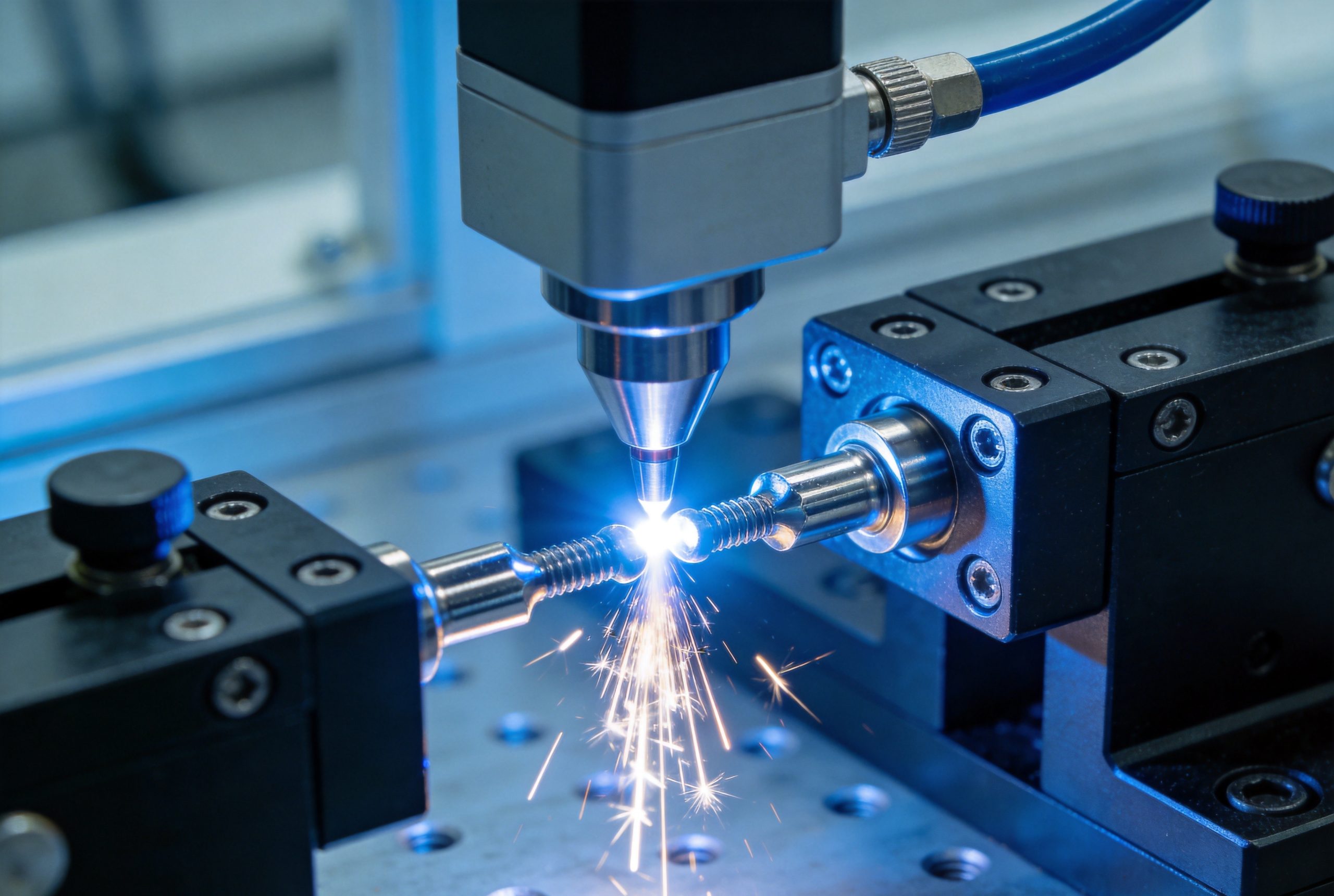
Laser welding provides precise, high-strength joints with minimal heat input—essential for medical devices where thermal damage to sensitive components must be avoided.
Implantable device assembly relies heavily on laser welding. Pacemaker cases, defibrillator housings, and other hermetically sealed implants require welds that are not only strong but also completely impermeable to body fluids. Laser welding produces hermetic seals in titanium and stainless steel with consistent quality, and the process is easily automated for high-volume production.
Surgical instrument assembly uses laser welding to join small components like scissor blades to handles or to attach carbide cutting inserts to stainless steel bodies. The localized heat input of laser welding prevents distortion in these precision instruments.
Catheter and endoscope manufacturing employs laser welding for joining polymer components and for attaching metal reinforcement elements. Laser welding of medical-grade polymers like PEBAX and nylon creates strong, clean bonds without adhesives that could leach into the body.
Dental device manufacturing, including orthodontic brackets and dental implant abutments, uses laser micro-welding to assemble small, precision components with minimal heat impact.
3. Laser Marking and Engraving
Permanent, legible marking is essential for medical device traceability, regulatory compliance, and anti-counterfeiting.
UDI (Unique Device Identification) marking is a regulatory requirement in many markets, including the US and EU. Laser marking creates permanent, high-contrast marks that include serial numbers, lot numbers, manufacturing dates, and other traceability information. Unlike ink printing, laser marks cannot be rubbed off and withstand sterilization processes.
Surgical instrument marking helps healthcare professionals identify and track instruments through sterilization cycles. Laser marks remain legible through hundreds of autoclave cycles, ensuring traceability throughout the instrument’s lifecycle.
Implant marking provides critical information about the implant—size, model, manufacturer—without compromising the device’s structural integrity or biocompatibility. Laser marking creates permanent marks that do not affect the surrounding tissue.
Anti-counterfeiting features, such as micro-text marks, data matrix codes, and hidden laser marks, help protect patients from counterfeit medical devices, which pose significant safety risks.
4. Laser Drilling
Precision laser drilling creates small, accurately positioned holes in medical device components.
Drug delivery devices such as microneedle arrays and infusion sets use laser-drilled holes with precise diameters and geometries to control fluid flow. Lasers can drill holes as small as 5 microns in diameter with tight tolerances.
Filter components for medical fluid handling systems use laser-drilled hole arrays with uniform hole sizes to ensure consistent filtration performance.
Ventilation holes in implantable devices and surgical instruments can be drilled with precise dimensions using laser technology, ensuring proper function without compromising structural integrity.
5. Laser Surface Treatment
Laser surface modification technologies enhance the performance and biocompatibility of medical devices.
Laser texturing creates controlled surface patterns on orthopedic implants to promote bone ingrowth (osseointegration). By creating specific micro- and nano-scale textures on titanium implant surfaces, manufacturers can improve the bond between the implant and the patient’s bone, reducing the risk of implant loosening over time.
Laser cleaning removes contaminants, oxides, and residual materials from medical device surfaces prior to assembly or sterilization. The non-contact nature of laser cleaning makes it ideal for delicate components, and it eliminates the need for chemical cleaning agents that could leave harmful residues.
Laser hardening improves the wear resistance of surgical instruments and implant components by selectively hardening the surface layer without affecting the bulk material properties. This extends the service life of reusable instruments and reduces the risk of wear debris in the body.
Materials Processed with Lasers in Medical Manufacturing
The versatility of laser technology allows it to process virtually every material used in medical device manufacturing:
Metals:
- Stainless steel (316L is the most common medical grade)
- Titanium and titanium alloys (Ti-6Al-4V)
- Nitinol (shape memory alloy used in stents and orthodontic wires)
- Cobalt-chrome alloys (used in orthopedic implants)
- Gold, platinum, and other precious metals (used in pacemaker components)
- Magnesium alloys (biodegradable implant materials)
Polymers:
- PEBAX (used in catheters)
- Nylon and polycarbonate
- PEEK (polyether ether ketone, used in spinal implants)
- PMMA (used in intraocular lenses)
- Silicone (used in various implantable devices)
Ceramics and other materials:
- Alumina and zirconia (used in dental implants and orthopedic components)
- Glass (used in pharmaceutical packaging and lab equipment)
- Diamond (used in surgical cutting tools)
Quality Control and Regulatory Considerations
Medical device manufacturing operates under strict regulatory frameworks, and laser processes must be fully validated and documented. Key considerations include:
Process validation. Manufacturers must validate that their laser processes consistently produce parts that meet specifications. This includes documenting laser parameters, establishing process windows, and conducting regular verification testing.
Traceability. Every medical device must be traceable through the manufacturing process. Laser marking with unique identifiers (UDI) is a critical tool for achieving this traceability, and the laser marking process itself must be validated to ensure marks are permanent and legible.
Cleanliness and biocompatibility. Laser processes must not introduce contaminants that could affect device biocompatibility. This requires careful control of process gases, fume extraction, and post-processing cleaning steps.
ISO 13485 compliance. Medical device manufacturers must comply with ISO 13485, the quality management standard for medical devices. Laser manufacturing processes must be fully documented and controlled to meet this standard.
FDA regulations. In the United States, the FDA regulates medical devices through the 510(k) and PMA pathways. Laser manufacturing processes used to produce these devices must be described and validated in regulatory submissions.
Benefits of Laser Technology for Medical Device Manufacturers
Improved product quality. The precision and consistency of laser processing result in higher-quality devices with fewer defects, reducing the risk of product failures and recalls.
Reduced production costs. While laser equipment represents a significant capital investment, the elimination of tool wear, reduced post-processing requirements, and higher throughput often result in lower per-unit production costs over time.
Faster time to market. Laser processes are highly flexible and can be quickly reconfigured for new product designs. This enables medical device companies to bring new products to market faster and iterate more quickly during development.
Design freedom. Laser technology enables complex geometries and features that are impossible or impractical with traditional manufacturing methods. This allows engineers to design more effective and innovative medical devices.
Regulatory compliance support. The repeatability and documentation capabilities of modern laser systems make it easier for manufacturers to demonstrate compliance with regulatory requirements.
Scalability. Laser processes scale seamlessly from prototype development to high-volume production, using the same equipment and process parameters. This simplifies the transition from R&D to manufacturing.
Emerging Trends in Medical Laser Manufacturing
1. Additive Manufacturing (3D Printing)
Laser-based additive manufacturing, particularly selective laser melting (SLM) and direct metal laser sintering (DMLS), is revolutionizing how certain medical devices are produced. Orthopedic implants with patient-specific geometries, porous structures for bone ingrowth, and complex internal channels are now possible with laser 3D printing. Custom implants that match a patient’s unique anatomy can significantly improve surgical outcomes.
2. Ultrafast Laser Processing
Femtosecond and picosecond lasers deliver ultra-short pulse durations that minimize heat-affected zones, enabling extremely precise processing of delicate materials. These lasers are particularly valuable for processing thin polymer films, sensitive electronic components in implantable devices, and materials that are prone to thermal damage. As ultrafast laser costs continue to decrease, their adoption in medical manufacturing is accelerating.
3. Green and Blue Lasers
Traditional infrared lasers struggle with highly reflective metals like copper and gold. Green and blue lasers, with shorter wavelengths, are absorbed much more efficiently by these materials, enabling high-quality welding and cutting of copper components used in medical electronics and catheter systems.
4. AI-Powered Process Monitoring
Artificial intelligence and machine learning are being integrated into laser manufacturing systems for real-time process monitoring and quality control. Cameras, sensors, and AI algorithms can detect defects during production, automatically adjust laser parameters, and provide detailed quality documentation—further improving consistency and reducing scrap rates.
5. Biodegradable Material Processing
As biodegradable implants (made from magnesium alloys, bioresorbable polymers, etc.) become more common, laser technology is adapting to process these materials effectively. Laser processing of biodegradable materials requires careful parameter control to avoid altering the material’s degradation properties—a challenge that laser manufacturers are actively addressing.
Choosing the Right Laser Solution for Medical Manufacturing
Selecting the appropriate laser technology for a medical device manufacturing application depends on several factors:
Material type and thickness. Different materials absorb different laser wavelengths most effectively. For example, fiber lasers work well with most metals, while CO2 lasers are often better for polymers and organic materials.
Process type (cutting, welding, marking, etc.). The specific application determines the optimal laser type, power level, and beam quality requirements.
Precision requirements. Applications requiring micron-level precision may need specialized beam delivery systems, higher beam quality lasers, or ultrafast pulse durations.
Production volume. High-volume production may benefit from automated material handling and multi-station systems, while low-volume or prototype work can use more flexible, manual systems.
Regulatory requirements. The level of documentation, validation, and process control needed depends on the device classification and target market. Higher-risk devices (Class III implants) require more rigorous process validation than lower-risk devices.
Total cost of ownership. Beyond the initial equipment purchase, consider maintenance costs, consumables, operator training, and the cost of downtime when evaluating laser solutions.
For medical device manufacturers, partnering with an experienced laser equipment supplier that understands the unique requirements of medical manufacturing—including regulatory compliance, cleanroom compatibility, and validation support—is essential. Companies like Transon Laser offer medical-grade laser systems with the precision, reliability, and documentation capabilities that medical device manufacturers require.
Comparing Laser Technologies for Medical Device Production
Not all laser technologies are equal for medical manufacturing. The right choice depends heavily on the specific materials, geometries, and volumes involved. Here is how the main laser platforms compare for typical medical device work:
Fiber lasers are the dominant choice for metal applications. They offer excellent beam quality, high efficiency (typically 30% or better wall-plug efficiency), and compact footprints that fit well into cleanroom environments. Fiber lasers excel at cutting stainless steel, titanium, and cobalt-chrome, as well as welding thin-walled components. For medical device manufacturers whose portfolio is predominantly metallic, a fiber laser is usually the standard first investment.
CO2 lasers remain highly effective for organic materials. They are the traditional choice for cutting and engraving plastics, wood, acrylic, and other non-metals, and offer good engraving quality on polymer surfaces. However, CO2 lasers cannot process metals and are being gradually displaced by ultraviolet lasers in medical applications where polymers must be cut with extremely low thermal damage.
Ultraviolet (UV) lasers are the specialty option for polymers and semiconductors. UV lasers produce very small, clean cut paths in plastic with minimal heat-affected zones—essential for medical-grade polymers where charring or thermal degradation would compromise biocompatibility. They are also the standard for marking silicon-based implantable electronics. The trade-off is higher equipment cost and slower processing speeds.
Ultrafast lasers (femtosecond and picosecond) occupy the high-precision niche. Their ultra-short pulses ablate material with minimal thermal transfer, enabling processing of extremely thin films, delicate membranes, and highly sensitive electronic assemblies. These systems command premium pricing and are typically reserved for specialized, high-value applications rather than general production.
Diode-pumped solid state (DPSS) and other specialty systems fill targeted gaps, such as green and blue wavelengths for highly reflective copper and gold alloys used in medical electronics and advanced catheter components.
For most medical device manufacturers entering laser production, the practical path is to start with a fiber laser for metallic work and add UV or ultrafast capability later when the product portfolio demands it.
Evaluating Laser Equipment Suppliers
Choosing a laser equipment supplier is a long-term relationship, not a one-time purchase. The supplier’s technical depth and support capability often matter as much as the machine specifications. Key areas to evaluate:
Application-specific expertise. A supplier who understands stent cutting or hermetic medical welding will configure the machine, optics, and process parameters far better than one selling generic equipment. Ask to see parts they have produced for applications similar to yours.
Process support and training. Laser machines are only as good as the operator using them. A supplier offering on-site process development, operator training programs, and ongoing parameter optimization support will accelerate your ramp to production. One that ships a machine and leaves you alone will slow you down significantly.
Service response and spare parts. Downtime in medical manufacturing is expensive—every hour of idle capacity is lost output and delayed orders. Evaluate the supplier’s service network, typical response time, local spare parts availability, and whether service engineers are factory-trained rather than third-party contractors.
Regulatory and documentation support. For medical device production, ask whether the supplier can provide the documentation needed for your ISO 13485 and FDA submissions: material certificates, laser source specifications, machine validation data, and declaration of conformity. Suppliers experienced in the medical industry will have these ready.
Long-term serviceability. Verify how long the laser source is warranted, what replacement cost looks like at year five, and whether spare parts will still be available years after purchase. This protects your total cost of ownership over the equipment’s life.
Application development capability. The best suppliers maintain an applications lab where your team can prototype parts, test new materials, and develop processes before committing to production volumes. This de-risks new product introductions considerably.
Transon Laser has built its medical industry offering around exactly these principles—application-focused machine configuration, operator training included with every system, factory-trained service engineers, and documented process capability—so medical device manufacturers can move from machine delivery to validated production without extended commissioning delays.
The Future of Laser Technology in Medical Devices
The role of laser technology in medical device manufacturing will only continue to grow. Several factors are driving this expansion:
Miniaturization trend. Medical devices are becoming smaller and more complex, requiring ever-greater manufacturing precision. Laser technology is uniquely positioned to meet these demands, with capabilities that scale down to sub-micron levels.
Personalized medicine. The shift toward patient-specific medical devices and treatments will increase demand for flexible manufacturing technologies that can produce custom parts efficiently. Laser-based additive manufacturing and digital laser processing are ideal for this trend.
Advanced materials. New materials—including biodegradable alloys, shape-memory polymers, and composite materials—are being developed for medical applications. Laser technology’s versatility makes it well-suited for processing these emerging materials.
Industry 4.0 and smart manufacturing. The integration of laser systems with digital manufacturing platforms, IoT sensors, and AI quality control will further improve efficiency, quality, and traceability in medical device production.
Conclusion
Laser technology has become an indispensable tool in medical device manufacturing, enabling the production of safer, more effective, and more innovative devices. From cutting intricate stent patterns to welding hermetic pacemaker enclosures to marking devices for traceability, lasers deliver precision, consistency, and versatility that traditional manufacturing methods simply cannot match.
As medical technology continues to advance—with smaller devices, more complex geometries, and personalized treatments—the role of laser manufacturing will only expand. Medical device manufacturers that invest in the right laser technology and expertise will be well-positioned to meet the evolving demands of patients, healthcare providers, and regulators.
For manufacturers seeking reliable laser solutions for medical device production, working with experienced suppliers that understand the unique challenges of the medical industry—from regulatory compliance to cleanroom requirements to process validation—is critical to success.
The same precision and regulatory requirements that define medical device laser manufacturing also apply to aerospace production, as explored in our laser technology in aerospace manufacturing.