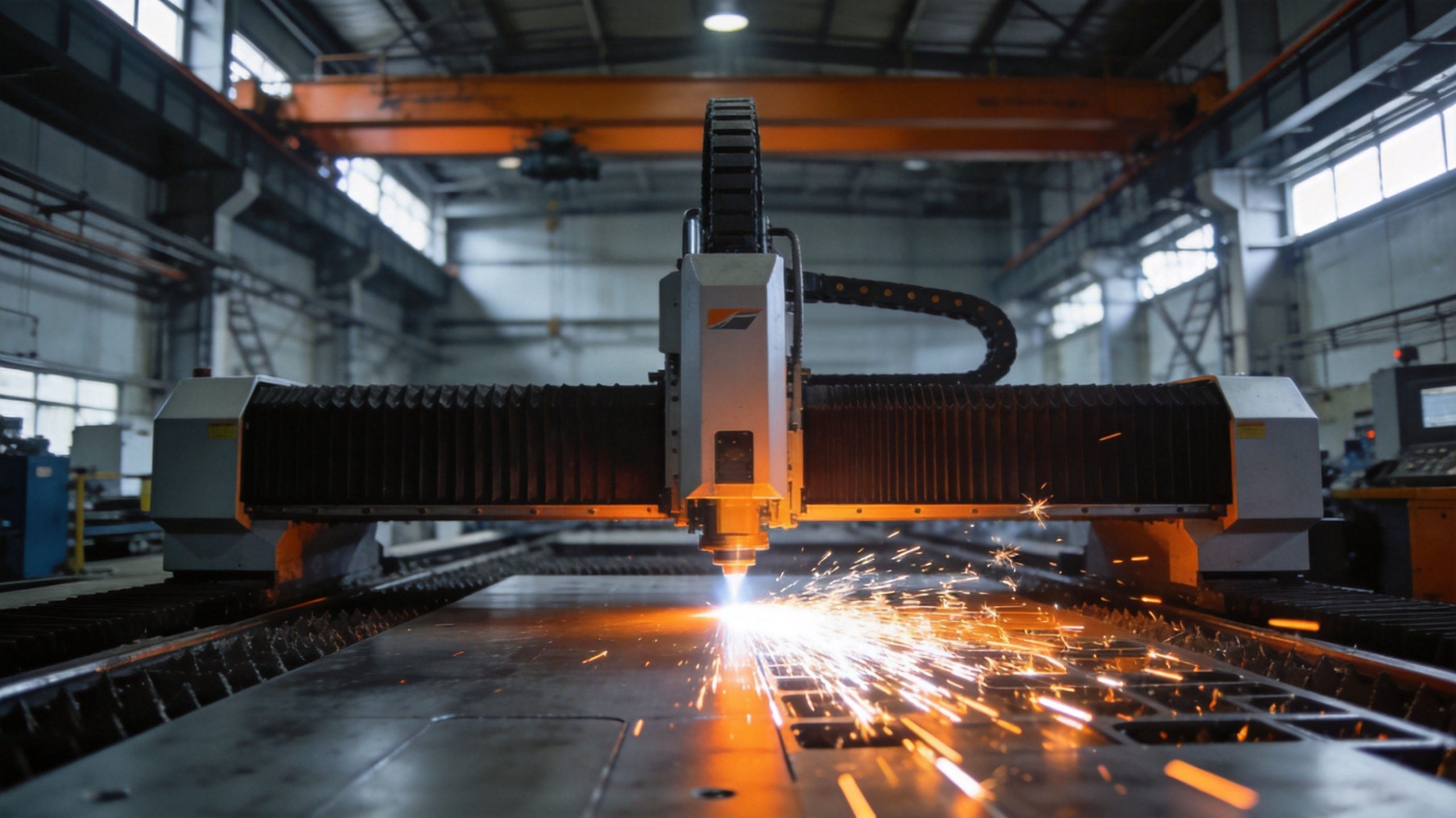
When sourcing industrial equipment for your business, the difference between a smooth operation and a costly mistake often comes down to one decision: which manufacturer you trust. If you’re in the market for a fiber laser cutting machine, you’ve likely already noticed that the options are overwhelming—dozens of suppliers, varying price points, and a sea of technical specifications that can blur together.
Whether you’re a wholesale distributor expanding your product catalog, a factory upgrading its production line, or a metalworking shop investing in its first high-power laser system, you need more than just a machine. You need a reliable fiber laser cutting machine manufacturer that can deliver consistent quality, responsive technical support, and equipment built to last.
This guide breaks down exactly what to look for in a manufacturer, common pitfalls to avoid, and why Transon Laser has become a trusted name for B2B buyers across the globe.
What Makes a Reliable Fiber Laser Cutting Machine Manufacturer
Not all fiber laser cutting machine manufacturers are created equal. A credible manufacturer doesn’t just assemble components and ship them out the door—they invest in engineering excellence, rigorous quality standards, and long-term partnerships with their clients. Here’s what separates the best from the rest.
Manufacturing Capabilities & Quality Control
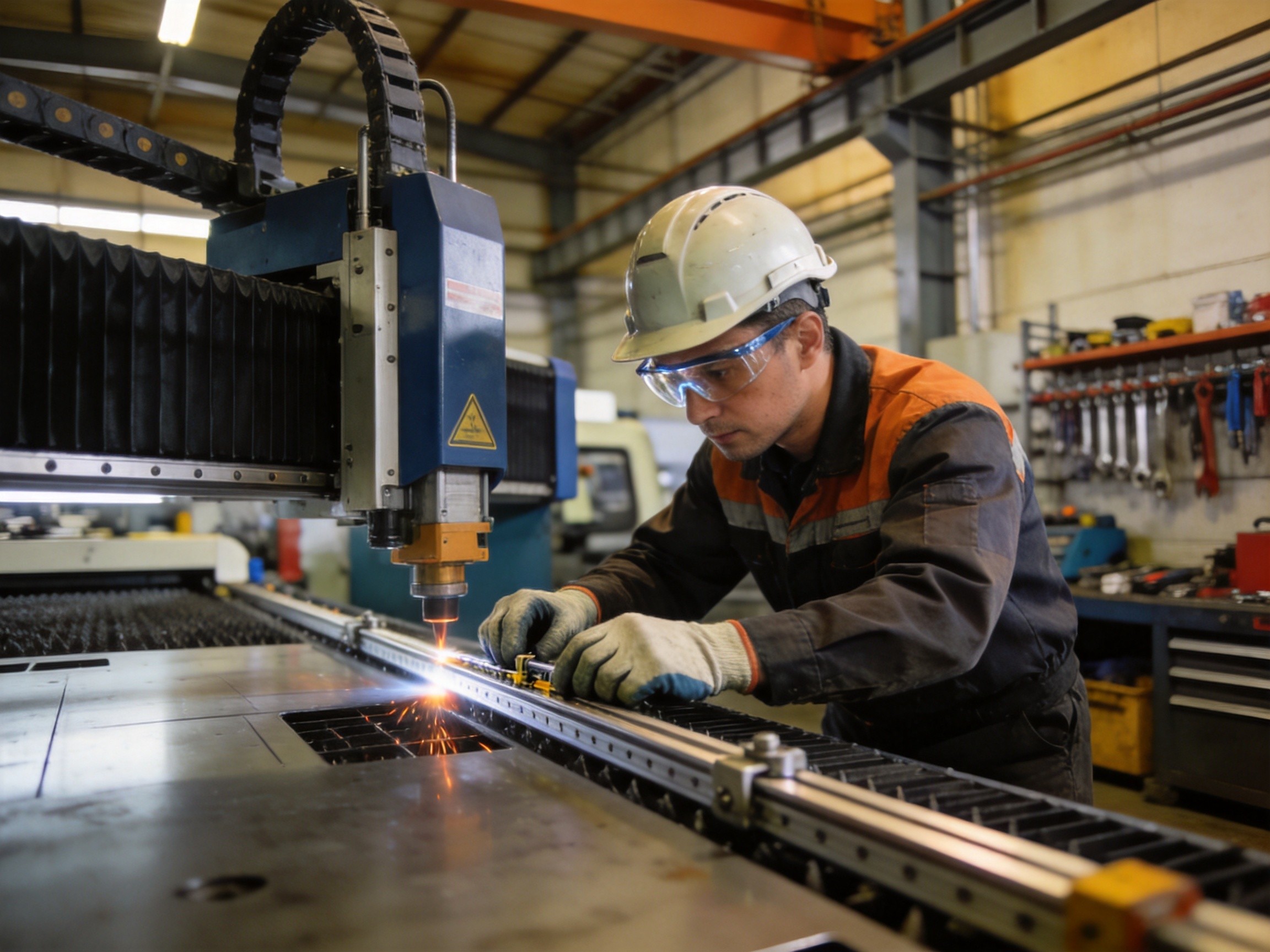
A professional fiber laser cutting machine manufacturer should operate from a facility equipped with modern production lines, precision assembly stations, and comprehensive testing protocols. Before any machine ships, it should undergo strict quality inspections covering mechanical alignment, laser beam calibration, software functionality, and continuous run testing.
Ask potential manufacturers about their in-house production capabilities. Do they fabricate their own machine beds and frames, or are components outsourced entirely? Manufacturers with in-house fabrication typically have tighter quality control over the structural integrity of their equipment—something that directly impacts long-term cutting accuracy and stability.
Transon Laser’s production facility operates under a structured quality management system, with every unit subjected to multi-stage testing before export. This approach minimizes on-site failures and reduces the headaches that come with receiving equipment that doesn’t meet spec.
Technical Expertise & R&D Investment
The laser cutting industry evolves quickly. Fiber laser technology has advanced significantly over the past decade, with improvements in power efficiency, beam quality, and smart automation features. A manufacturer worth your investment should be actively investing in research and development—not simply reselling generic machines from a catalog.
Look for signs of technical depth: in-house engineering teams, proprietary control systems, and a product roadmap that reflects current industry trends such as auto-focus heads, AI-assisted nesting, and IoT-based machine monitoring.
Manufacturers that rely purely on third-party components without adding value through software integration or custom engineering often lag behind in both performance and support quality. Technical expertise becomes especially critical when your production needs require customization—whether that’s a specialized cutting bed size, unique material compatibility, or integration with your existing automation workflow.
After-Sales Support & Global Service Network
This is where many buyers get burned. A machine purchase is not a one-time transaction—it’s the beginning of a relationship. Even the highest-quality equipment requires maintenance, software updates, and occasional troubleshooting.
Before committing to a fiber laser cutting machine manufacturer, evaluate their after-sales support infrastructure. Do they offer remote diagnostics? Are spare parts readily available and internationally shippable? Do they provide documentation and training in your language?
For overseas buyers, this is particularly important. A manufacturer that primarily serves the domestic market may lack the infrastructure to provide timely support to international clients. Transon Laser, for instance, has built its export-focused service model around rapid response—ensuring that clients in Europe, Southeast Asia, the Middle East, and the Americas can keep their production lines running with minimal downtime.
Key Factors to Evaluate When Choosing a Manufacturer
With a clearer picture of what separates top-tier fiber laser cutting machine manufacturers from the pack, let’s get into the specific evaluation criteria every B2B buyer should apply before making a sourcing decision.
Machine Specifications & Customization Options
Your production requirements should dictate the machine specifications you pursue—not the other way around. Before reaching out to manufacturers, clarify the following:
- Maximum sheet size you’ll be processing regularly
- Material types (carbon steel, stainless steel, aluminum, brass, etc.)
- Required cutting thickness for each material
- Desired cutting speed and accuracy tolerances
- Automation level (manual loading vs. automated shuttle/bundling systems)
A reputable manufacturer will work with you to recommend configurations that match your actual production needs—rather than simply upselling you to the most expensive model. Transon Laser offers a range of fiber laser cutting machine models with power outputs from 1kW to 30kW, catering to applications from thin-sheet precision cutting to thick-plate industrial processing.
Certifications & Compliance
For B2B buyers, certifications serve as an objective validation of a manufacturer’s commitment to quality and safety standards. At a minimum, look for:
- CE marking (required for the European market)
- ISO 9001 quality management certification
- FDA/CDRH compliance for laser safety (relevant for the U.S. market)
- IPG, Raycus, or Max photonics laser source certification (verifies genuine, branded components)
These certifications aren’t just paperwork—they indicate that the manufacturer has been independently audited and adheres to internationally recognized processes. For buyers importing equipment, compliance certifications also streamline customs clearance and reduce the risk of regulatory complications.
Export Experience & Customer References
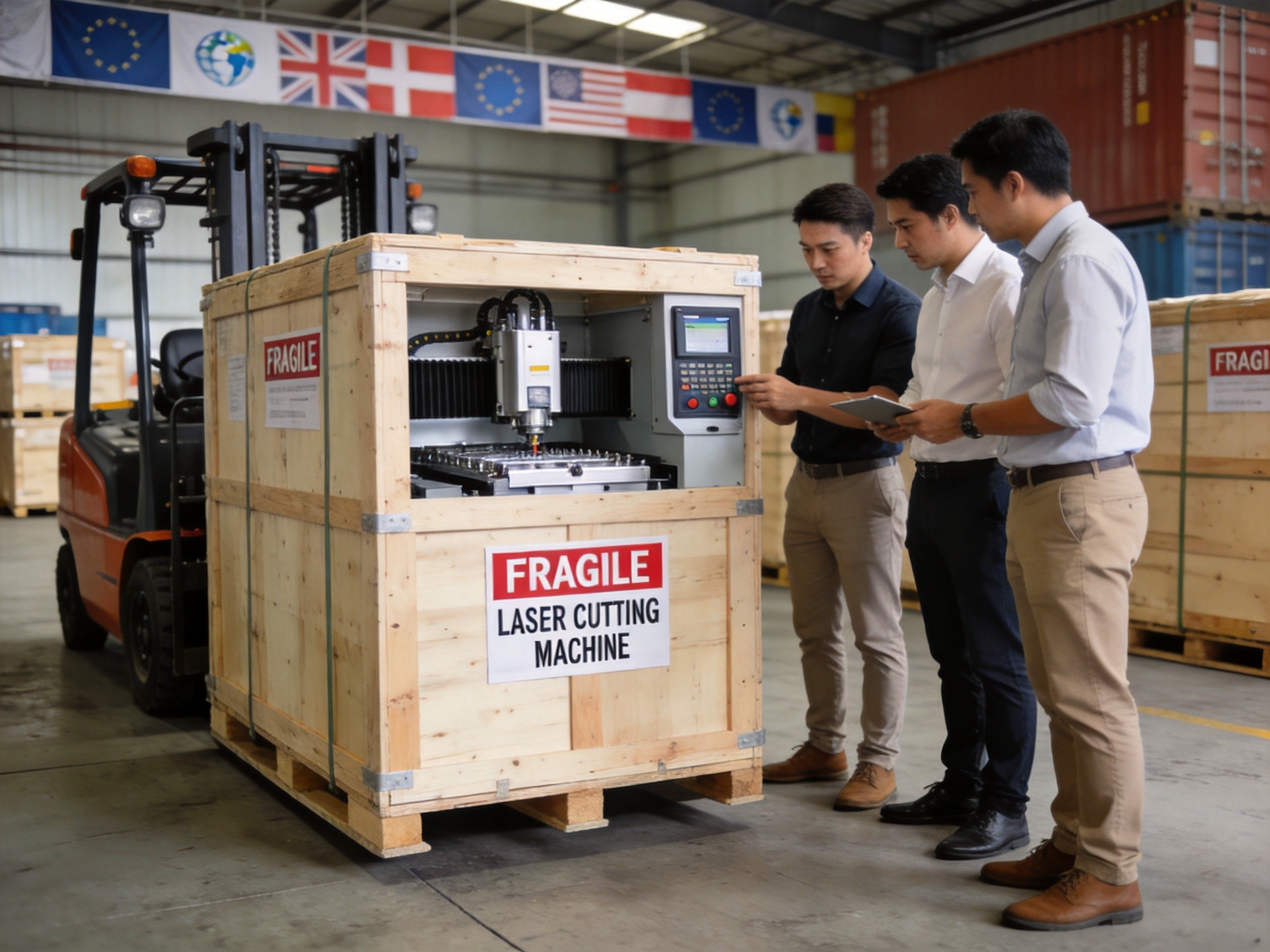
An experienced exporter understands the nuances of international trade: international packaging standards, freight logistics, customs documentation, and voltage/electrical compatibility for different regions. These details matter more than many buyers realize—a machine arriving with damaged components due to poor packaging or incompatible electrical systems can set your project back months.
Ask prospective manufacturers for case studies, client references, or testimonials from buyers in your region or industry. Manufacturers with a proven export track record are better equipped to anticipate and prevent the logistical challenges that catch first-time importers off guard.
Common Mistakes When Selecting a Laser Cutting Machine Supplier
The laser cutting equipment market attracts buyers with the promise of high performance at competitive prices. But in the rush to find a deal, B2B buyers frequently fall into the same traps. Here are the most costly mistakes—and how to avoid them.
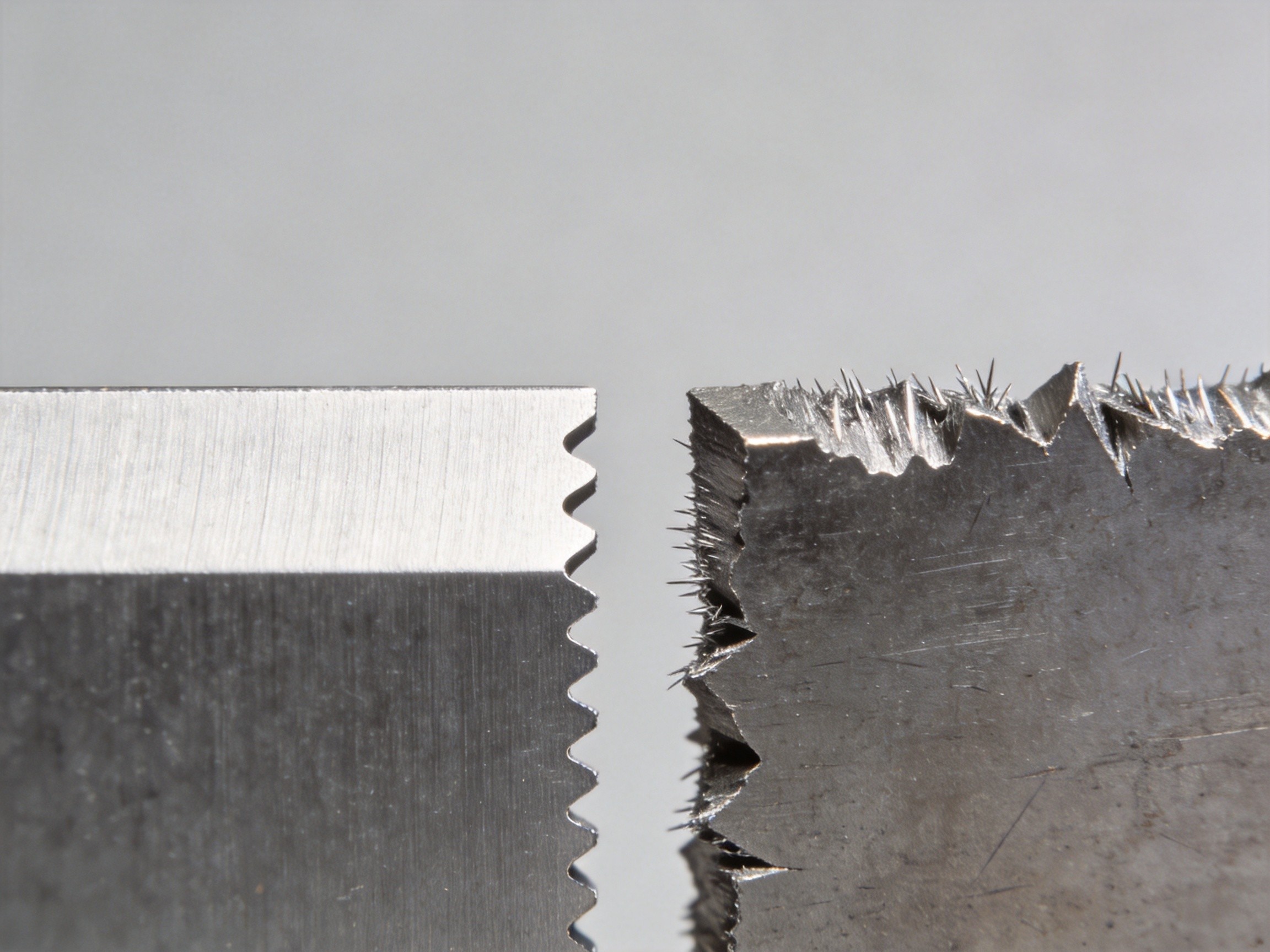
Prioritizing price over total cost of ownership. The lowest-priced fiber laser cutting machine isn’t necessarily the most economical choice over its lifespan. Cheap components—particularly low-quality laser sources, unstable gantries, and underpowered chillers—often lead to frequent maintenance, reduced cutting quality, and premature equipment failure. Factor in energy efficiency, expected uptime, and the cost of replacement parts before making a decision.
Skipping the factory audit. If you’re sourcing from a new or unfamiliar fiber laser cutting machine manufacturer, a video call or an in-person factory visit can reveal a great deal. Poorly organized facilities, lack of testing infrastructure, and absent quality documentation are red flags that shouldn’t be ignored.
Overlooking software compatibility. Your fiber laser cutting machine will integrate with your CAD/CAM workflow. Ensure the machine’s control software is compatible with the file formats and nesting tools your team uses. Some manufacturers use proprietary software that limits flexibility and increases your dependence on their support team.
Failing to clarify warranty and support terms. Verbal assurances mean little without written documentation. Get clear answers on warranty coverage periods, what’s included (parts, labor, shipping?), response time guarantees, and the process for filing a support ticket. Vague warranty terms often signal a manufacturer that will be difficult to reach when issues arise.
Not verifying laser source authenticity. Counterfeit or re-labeled laser sources are a real problem in the industry. These units may appear functional at first but degrade rapidly, often voiding warranties and compromising safety. Always verify that the laser source brand is genuine and backed by the original manufacturer’s warranty.
Why Transon Laser Stands Out
Transon Laser has built its reputation as a trusted fiber laser cutting machine manufacturer by focusing on the factors that matter most to B2B buyers: reliable equipment, technical depth, and dependable after-sales support.
A comprehensive product portfolio. Beyond fiber laser cutting machines, Transon Laser offers five additional product lines—laser welding machines, laser marking systems, laser cleaning equipment, laser engraving machines, and general laser cutting machines. This breadth means clients can consolidate their equipment sourcing with a single, established partner rather than managing relationships with multiple suppliers.
Engineered for export. Every Transon Laser product is designed with international buyers in mind—featuring standard electrical configurations compatible with global voltage requirements, export-grade packaging for ocean freight, and documentation packages that simplify customs clearance in markets across Asia, Europe, the Middle East, and the Americas.
Quality you can verify. Transon Laser holds CE certification and operates under ISO-aligned quality management processes. Every machine is individually tested prior to shipment, and detailed inspection reports are available upon request. Laser source components are sourced exclusively from certified Tier-1 suppliers such as IPG and Raycus.
Responsive global support. For international clients, Transon Laser provides remote diagnostics, multilingual technical documentation, and spare parts fulfillment with competitive shipping lead times. Their export-focused support team understands the practical realities of operating industrial laser equipment in different regulatory and operational environments.
Ready to discuss your production requirements or request a customized quotation?
Contact Transon Laser TodayFrequently Asked Questions
1. How do I verify if a fiber laser cutting machine manufacturer is legitimate?
Look for verifiable credentials: CE and ISO certifications, a documented factory address, customer references or case studies from buyers in your region, and clear warranty and after-sales terms in writing. Video calls or virtual factory tours can also help confirm the manufacturer’s actual production capabilities.
2. What is the typical lead time for a custom fiber laser cutting machine?
Standard models typically ship within 15–30 days after order confirmation. Custom-configured machines may require 30–60 days depending on specifications and component availability. Discuss lead time expectations upfront and confirm them in your purchase agreement.
3. Can I get a machine configured for my region’s voltage and standards?
Yes—most established fiber laser cutting machine manufacturers, including Transon Laser, offer voltage customization (110V/220V/380V) and compliance documentation for major international markets. Specify your requirements when requesting a quotation.
4. What maintenance does a fiber laser cutting machine require?
Routine maintenance includes cleaning the lens and protective glass, checking and replacing cutting nozzle tips, verifying coolant levels and quality, lubricating linear guides, and periodically calibrating the auto-focus head. Most of these tasks can be performed by your in-house technician with basic training provided by the manufacturer.
5. Are spare parts readily available for international buyers?
This depends heavily on the manufacturer. Export-focused manufacturers like Transon Laser maintain an inventory of commonly replaced consumables and spare parts, with international shipping available. Always confirm spare parts availability and pricing before finalizing your purchase.
Conclusion
Selecting the right fiber laser cutting machine manufacturer is one of the most consequential decisions in your equipment sourcing process. The manufacturer you choose impacts not only the performance of your machine but also the level of support you’ll receive throughout its operational life.
Prioritize manufacturers that demonstrate genuine manufacturing depth, invest in R&D, hold relevant certifications, and have a proven track record serving international B2B clients. The lowest price rarely equals the best value when the total cost of ownership—maintenance, downtime, and replacement—is factored in.
Transon Laser combines engineering quality, a comprehensive product range, export-ready infrastructure, and responsive global support to serve as a single, dependable source for your industrial laser equipment needs.
Ready to take the next step? Get a tailored consultation, detailed specifications, and a competitive quotation matched to your production requirements.
Get a Free Quote from Transon Laser